

Why "From" is Compared to "Lost": Analyzing Similarities and Differences
Promo: "From" / MGM+
In this article
How the shows are really similar
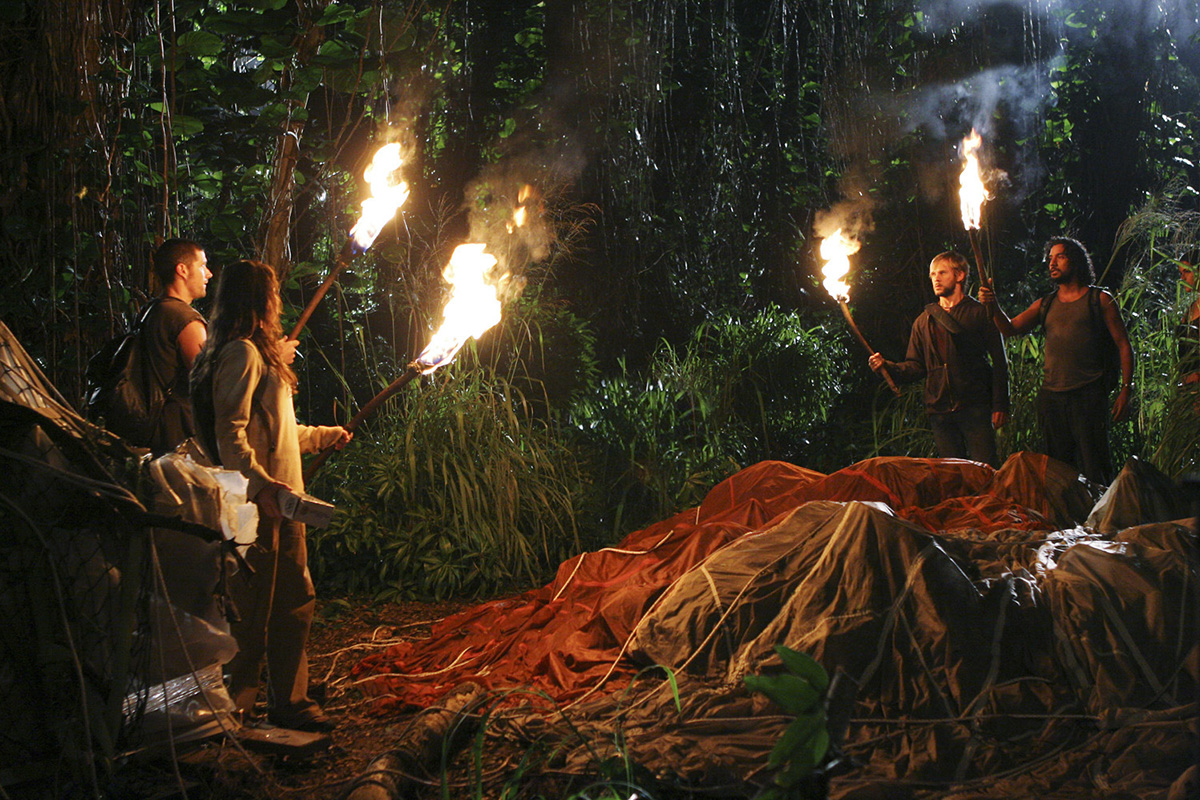
Shot from the series "Lost" Source: ABC
Both series lean hard on mystery and the feeling that rules are hidden. In practice that means characters spend much of their time trying to decode their situation — patching together clues, testing hypotheses, reacting when the world refuses to explain itself. "Lost" offered an isolated environment with its own rules; escape was more fantasy than plan. "From" sets up a comparable trap: a confined place where standard assumptions don't apply (i.e., usual ways of getting out simply don't work).
Shot from the series "From" Source: MGM+
There’s also a similar rhythm to how mythology is doled out. Both shows reveal things slowly — clues arrive in drip-feed fashion, symbolic bits turning into broader hints only after time. Viewers and characters alike must assemble meaning from fragments; patience is part of the experience. And about characters: neither show hands you a single, obvious lead. You follow an ensemble; each person hoards a private history that opens up over episodes, and the investment grows as those private stories intersect with the central mystery. Fans often notice that ensemble focus — a trait that, for many, is as defining as the mystery itself.
- Cult Series Worth Rewatching in 2026: A Fresh Look at Classics
Where the differences lie
Shot from the series "Lost" Source: ABC
Similar foundations, different houses. Tone is the easiest gap to spot. "Lost" mixed tones — adventure, mystery, occasional supernatural beats — whereas "From" leans deliberately into horror. In "From" the threats feel corporeal: creatures that hunt and kill, a persistent sense that danger could snap into view at any second. The violence and dread are more overt; the show trades some of "Lost"'s wandering curiosity for a sharper, scarier edge.
Shot from the series "From" Source: MGM+
Narrative method diverges too. "Lost" famously used flashbacks and parallel arcs — entire episodes built around a single character’s past, then cut back to island events. "From" handles backstory differently: pasts surface through the main timeline and often via small, quiet reveals rather than big, structured flashback episodes. Characters may stay silent for long stretches; when they do open up, it tends to feel like a reluctant confession rather than a formal exposition piece.
Shot from the series "Lost" Source: ABC
Finally, what each show centers on is not quite the same. "Lost" often wandered into philosophical territory — meaning, redemption, belief, and the tension between science and faith — and invited debate. "From" keeps decisions tight and pragmatic: survive, avoid the monsters, find an exit. That focus on immediate, tangible danger gives it a different texture; oddly, it can read as more grounded because stakes are concrete and present (vs. the reflective, sometimes metaphysical stakes of "Lost").
- “Next is My Favorite Part”: What Was Shown in the First Episode of the Fourth Season of "From"
Conclusion
Shot from the series "From" Source: MGM+
Is "From" the "new 'Lost'"? Not exactly — and that’s not a knock, just a clarification. They share a DNA: mystery, confined settings, ensemble focus. But tone, storytelling choices, and central aims split them apart. If you're chasing the particular mix that made "Lost" feel unique, you'll find echoes in "From," yet also plenty that refuses direct comparison. The label will stick for some viewers; others will see two distinct shows that happen to tap similar anxieties.