

What is the phenomenon of the series "Hacks" that won many awards
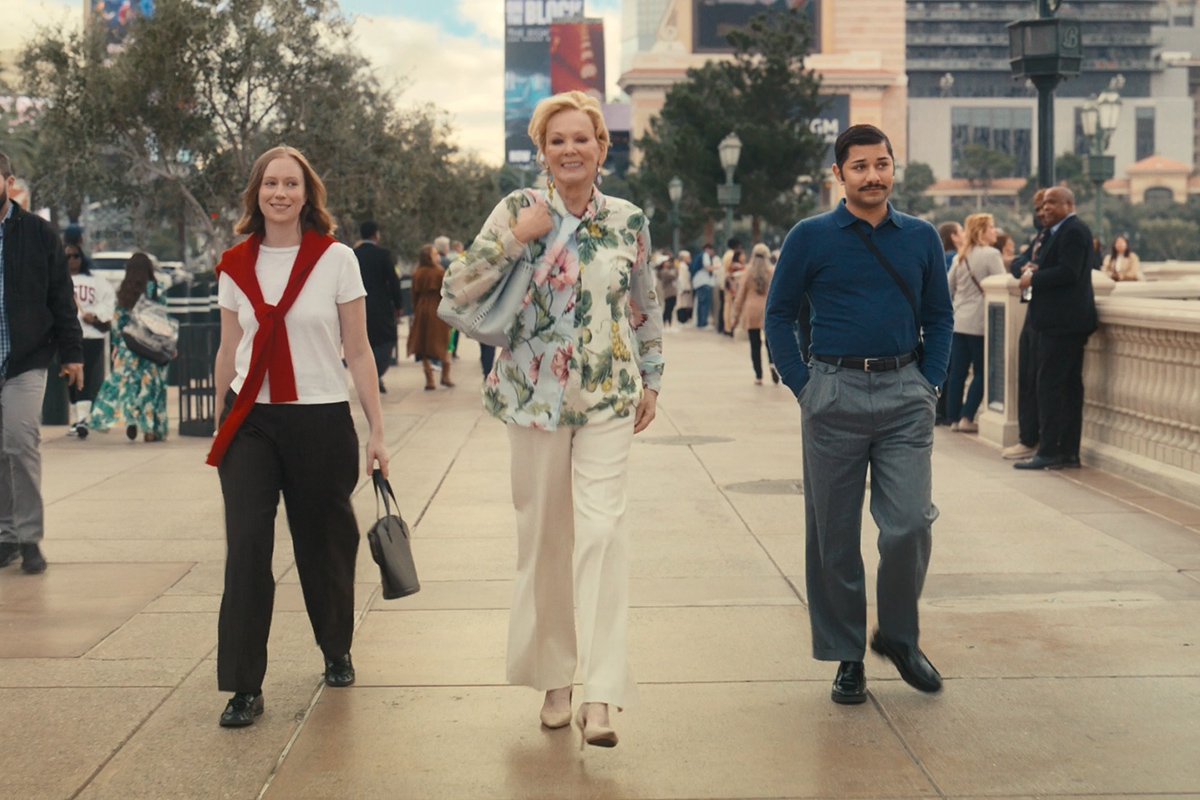
Promo: "Hacks" / HBO Max
The series “Hacks” keeps popping up in conversations — not because of hype alone, but because it hits nerves people actually recognize. The final season premiered on April 9, and yes, the show has picked up big prizes (Emmy, Golden Globe). Those awards are visible markers, sure, but they don't explain why certain scenes keep returning to people's minds — often in ways that are unexpectedly tender or awkward.
Generation duo as the basis of conflict
An older stand-up and a much younger writer—this pairing fuels the show, but not like a simple "clash then reconcile" plot. Think of it as a chemistry experiment: different reagents (life experience vs. internet-era instincts) collide, sometimes exploding, sometimes bonding. The tension provides jokes, yes, but it also creates an odd workspace where grudges, mentorship, and ambition get tangled. e.g., a throwaway line about cringe culture can explode into a lesson about survival on stage.
Strong leading role
Jean Smart anchors much of the show — not by being flawless, but by being vividly unpredictable. Her timing can cut or soothe; one moment she's pure sarcasm, the next she lets a crack of vulnerability show. That wobble—comedic armor that occasionally slips—is what makes scenes land. It's less about "perfect" acting and more about being human on-screen, flaws included.
Behind the scenes of the industry
The series presents show business without the usual gloss: it's procedural, petty, and exhausting at times. Agents, booking blunders, and the slow death of a once-familiar set of jokes—these elements are shown bluntly, i.e., not prettified. You see the stage lights, sure, but you also see the email chains and compromises that keep the lights on. That honesty can be uncomfortable because it strips away the trophy case narrative.
Smart humor
Comedy here functions as a scalpel. Jokes expose ego or close off a wound; punchlines are often pauses that force a character to move or reveal themselves. Sometimes the humor is blunt and fast, sometimes sly and slow — and the show trusts the audience to follow both. That variety keeps it from settling into a single comedic beat.
Theme of female experience
Instead of slogans about "empowerment," the show stages specific, messy situations around age, career, and sexism. Scenes don't lecture; they position characters in awkward dilemmas and let consequences ripple out. You watch decisions and petty betrayals stack up, and sometimes you find yourself rooting for the person who made the worse choice—because that choice felt real.
Emotional depth
Under the laughs there's loneliness, fatigue, and the odd price of staying visible. Victories arrive, then wobble; losses linger. The show can make you smile and then, seconds later, feel oddly exposed — a small jolt that refuses to be tidy. That sting is intentional, and sometimes I found it stayed with me longer than expected.
Dialogues as the main tool
Talk carries the weight here: rapid exchanges, loaded silences, and lines that double as weapons. Conversations do the heavy lifting—plot moves, loyalties flip, and characters get exposed—mostly without grand speeches. It's economy: a few sharp words, and the room changes.
Conclusion
"Hacks" doesn't comfort you with neat morals. It offers scenes that are funny and uncomfortable in equal measure, and that's the thing people keep talking about. You leave an episode chuckling and a little restless — which, for a TV show, feels like a modest victory.