

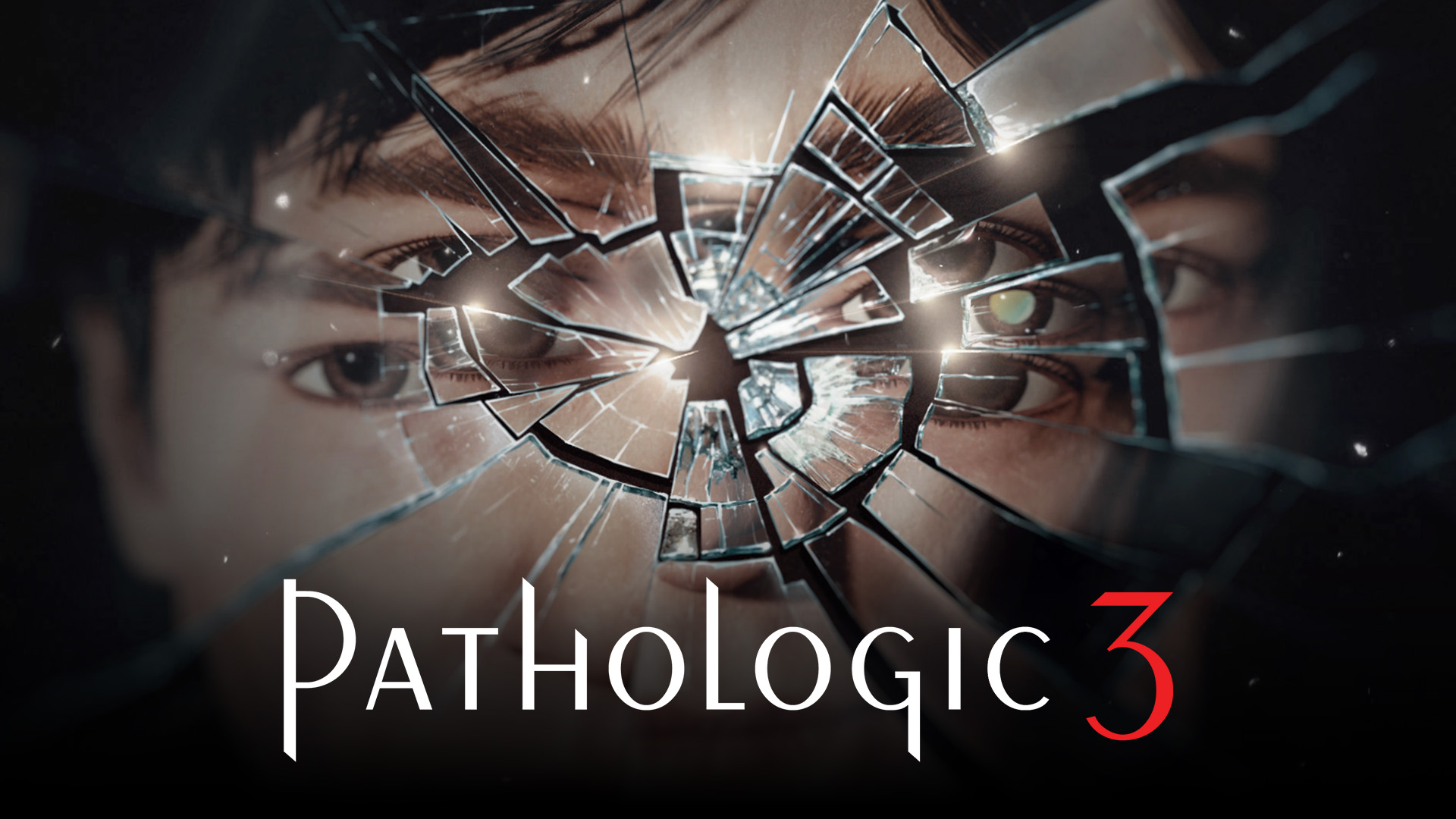
Pathologic 3 Review — A City That Cannot Be Saved
Finally, Pathologic 3 has been released. The long-awaited game has justified its anticipation — it surpasses its predecessors in many ways: both the classic and the Haruspex route. The City-on-the-Gorkhon, the Polyhedron amidst the steppe, the relentless plague — the stage is set similarly. However, the new "Pathologic" doesn’t rehash old notes but rewrites the entire score.
The Transformation of Dankovsky
In Pathologic 3 (literally — Path of Logic), we play as the metropolitan scientist, pragmatist, and cynic Daniil Dankovsky. He arrives in the City-on-the-Gorkhon to save his laboratory, but a plague outbreak soon traps him. In previous parts, he felt more like an icy statue than a living person. In Pathologic 3, he finally gets a voice. Now, from the opening scenes, the Bachelor is not met with honors — he is humiliatingly interrogated by an inspector. The inspector accuses Dankovsky of the City's demise. We must piece together the doctor’s actions in the city and, if possible, rectify the situation.
At the start of the game, Dankovsky is the epitome of a metropolitan snob. Witty, self-confident, with a slight disdain for anything that doesn’t fit his worldview. He is sarcastic and argumentative in dialogues, clearly considering himself above the steppe folk. However, this seems impressive only from his perspective. There's a moment in the game when we see such communication from the outside — and it looks silly, even making Daniil appear pitiful. But this doesn’t last long. The game literally breaks Dankovsky. The days of the epidemic drag on one after another, and the Bachelor constantly loses something important. Despite the exhausting fight against the plague, the locals disdain him for almost everything. Gradually, smugness gives way to a painful sense of guilt and understanding: if he doesn’t intervene, things will get worse. We see the city doctor telling stories to children, rushing across town to save NPCs, and defending opponents before the inquisitor. Paradoxically, it's through fear of consequences and a willingness to pay for his decisions that Dankovsky becomes more human.
The World is a Stage
The city around has changed too. The theatricality remains — each evening, the courtyard of the Pit becomes a stage where key figures enact scenes. However, while previous parts resembled a puppet theater constantly emphasizing its own theatrical nature, here the mask is slightly lifted. About the nature of the game and the stage, Mark Immortal speaks directly at the beginning and in key episodes, making the narrative feel more "grounded." It's more accessible for newcomers and does not betray old fans: the theater now frames the story rather than suffocating it.
Doctor Simulator
Dankovsky's day is scheduled by the second. In the morning — rounds, patient diagnostics, investigations. An improvised hospital opens in the theater, where people come with an abnormal resistance to the plague. The logic is simple: if they are still alive, there is another disease inside them resisting the plague. Medical routine looks mundane: examination, symptom collection, attempts to extract any specifics beyond "everything hurts," sample collection, timed microscope analysis, risk of making mistakes and wasting resources.
During the day — raids into infected areas. There, the plague materializes in the form of the steppe demon Shabnak-adyr. She emerges from the ground to attack the doctor. The only way to manage the situation —