

Brendan Fraser's Career: From 90s Icon to Oscar-Winning Comeback
Brendan Fraser rose to fame in the 1990s and became a familiar face at the box office. He played parts that leaned comic at times and more serious at others; audiences noticed. His path has had peaks and long, quieter stretches — success tangled with setbacks, physical pain, and choices that kept him out of view for years. For many viewers, his story reads like one of recovery, though it’s messier than a neat comeback tale.
Rise: 90s Idol
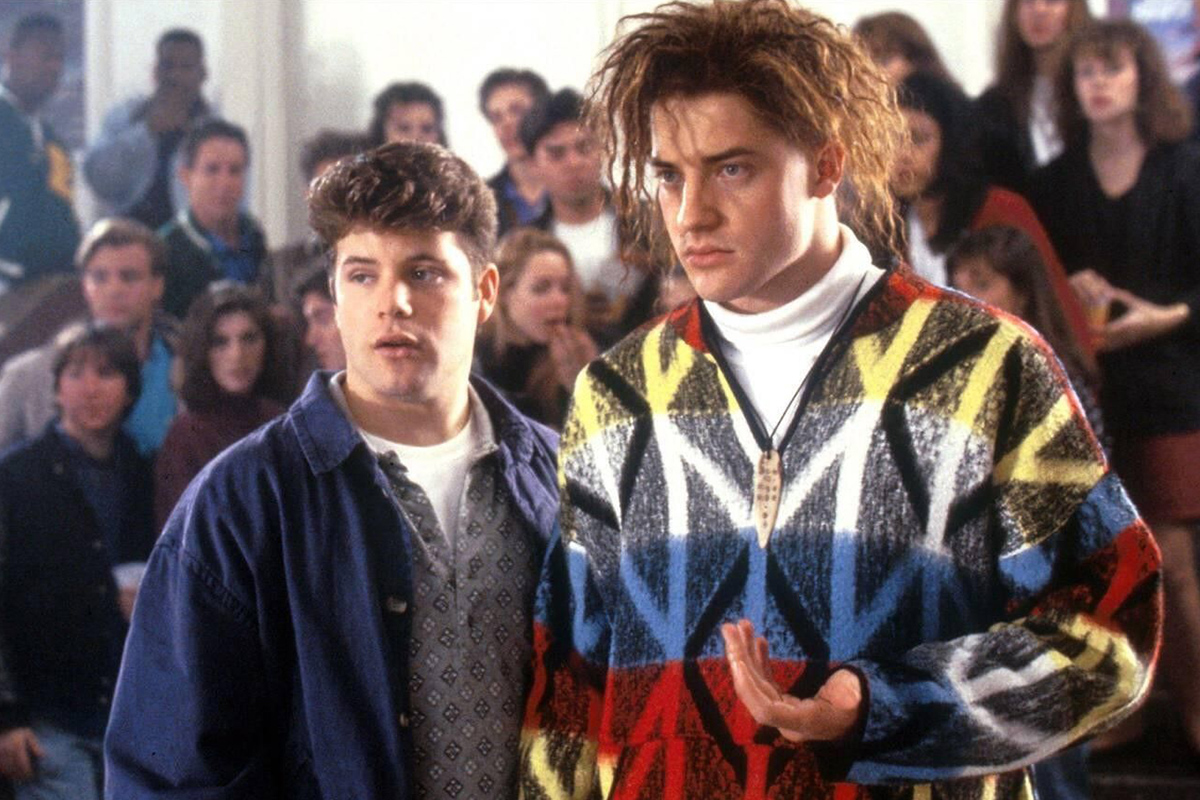
Frame from the movie “Encino Man”
Fraser first grabbed attention with the goofy energy of Encino Man; it put him on the map. George of the Jungle pushed him into mainstream recognition, the sort of part that made his face familiar in ads and trailers. Then, unexpectedly, he turned up in Gods and Monsters — a quiet, serious piece about James Whale’s life — and showed a different side. That was his early signal that he could shift gears from broad humor to more restrained drama.
Frame from the movie “The Mummy”
The Mummy (1999) was the moment he became a tentpole name. As Rick O’Connell he mixed bravado with a softer, comic timing that clicked for many viewers; he did a lot of his own stunts, which took a physical toll. Magazines featured him; studios cast him in parts that expected both levity and some emotional weight. For a while it felt like Fraser could move easily between big-screen spectacle and smaller, more intimate roles.
- Elle Fanning Without an Oscar — The Female Leonardo DiCaprio? The Phenomenon of a Talented Actress in Hollywood
Fall: Struggles and Hiatus
Frame from the movie “The Mummy: Tomb of the Dragon Emperor”
The off-camera story was harsher. Years of stunt work left him injured; he’s spoken about surgeries — e.g., partial knee replacement, removal of part of a vertebra, and vocal-cord surgery — and the slow, stubborn business of recovering. Personal upheavals followed: a divorce in 2007 that strained finances, the sale of the family home, and, later, the death of his mother in 2016. He also revealed a traumatic incident from 2003 involving a HFPA official. It’s a list of losses and pain that helps explain why he stepped back.
Frame from the series “Doom Patrol”
Work began to reappear on television. He turned up in “Titans” as Cliff Steele — a racer whose mind is trapped in a machine after an accident — and that role extended into the offbeat “Doom Patrol”. People started making analogies between actor and character: rise, fall, damage, and a slow attempt at repair. Whether you take that metaphor literally or not, those TV parts put him back where audiences could see him, and that visibility mattered.
Full Comeback: Triumph and Recognition
Frame from the movie “The Whale”
The Whale (2022) gave Fraser a leading role again, as Charlie — a man confronting grief, isolation, and his own body. He prepared intensively for the part; reactions were intense, too. Awards followed: a Golden Globe and, eventually, the Oscar for Best Actor. After that came smaller turns and indie work — a cameo in “Killers of the Flower Moon” and a lead in “Family Rental” about an actor who takes an odd job in Japan. Awards don’t erase what came before, of course; they’re another chapter, and not everyone reads it the same way.
- The Phenomenon of Meryl Streep: How the Actress Became a Cinema Icon in Her Lifetime