

Why Indie Games Like Mixtape Are Getting More Hype Than AAA Blockbusters with Huge Budgets in 2026
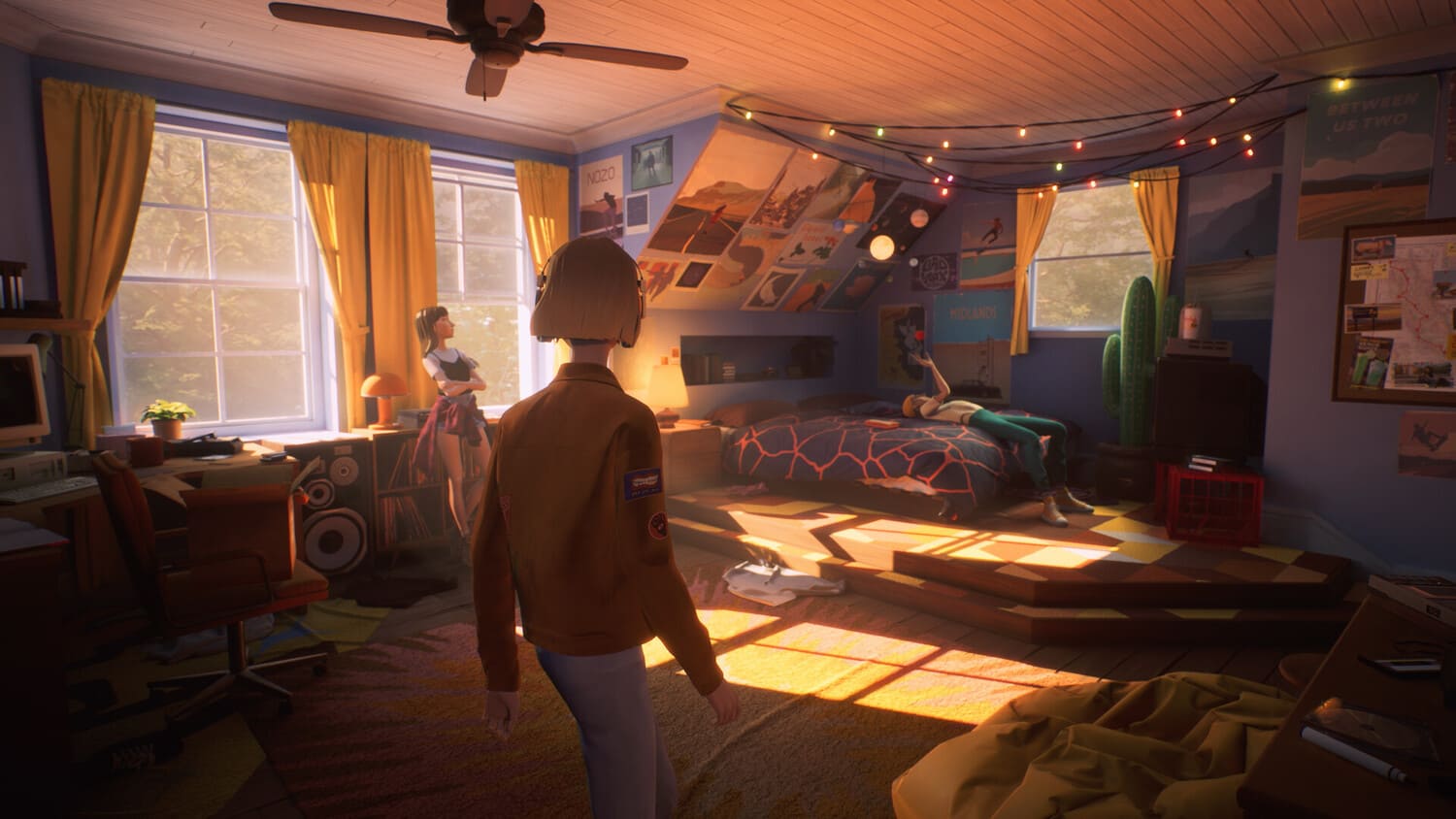
How the 3-hr Mixtape Outscores Giant AAA Blockbusters in 2026 / Annapurna Interactive
In 2026, the 3-hr teenage adventure Mixtape is collecting a lot of "10 out of 10" notices and, oddly enough, topping average scores for big-name releases like Pragmata, Marathon, or Crimson Desert. Budgets keep ballooning, sure — but players seem to be voting with attention, favoring short, dense experiences over marathon commitments.
Mixtape trades length for atmosphere. The studio Beethoven and Dinosaur stages the last day of school for three friends in '90s California; it's all texture — cassettes, film snaps, that slightly sticky summer light — and a pricey licensed soundtrack doing the heavy lifting. You can finish it in an evening; you can also finish it and have a tune or two stuck in your head for days. There's something appealing about concentrated emotion, especially when so many releases feel engineered to stretch playtime rather than deepen it.
- 5 games with a Japan vibe while everyone discusses Forza Horizon 6
Meanwhile, the AAA pipeline isn't exactly relaxed. Big projects can take 6–8 yrs to make and often carry budgets north of $100M — one flop can be catastrophic for a studio. The result? Risk aversion, iterative design choices that feel safe, and launches that still require day-one fixes. Familiar story, but it helps explain why a crisp, well-crafted 3-hr game can feel like fresh air.
Indie teams, with budgets in the ~$500k–$15M range, can move faster and take weirder bets. That flexibility yields auteur-ish titles that grab critics and awards boards, but also, crucially, players — not because of marketing muscle, but because the work feels intentional. Of course, not every small studio hits the mark; failures happen. Still, the hit rate for memorable, talk-worthy games looks healthier than you might expect.
- Top games of 2026: 30 most anticipated releases on PC, PS5, and Xbox
People are tired of empty expanses dressed up as content; scale for scale's sake no longer guarantees engagement. Instead, games that deliver a believable cast, a living moment, and music that matters tend to stick. Not to say physics or scope don't matter at all — they're tools — but right now a strong scene and a clear tone are buying more goodwill than flashy simulation.