

Paul W. S. Anderson Explained Why 'Resident Evil' Didn't Become a Game Adaptation
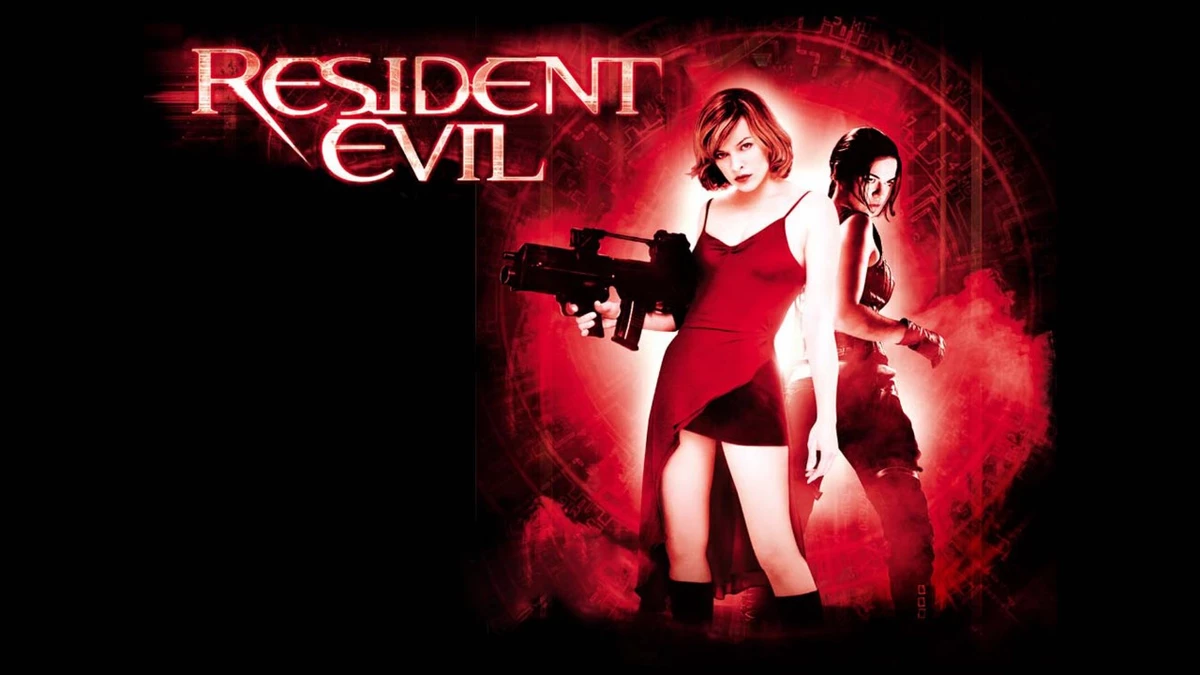
Director Paul W. S. Anderson, who directed the film 'Resident Evil' (2002) and its sequels, explained why he decided to create a completely new story starring Milla Jovovich instead of directly adapting the games from the Resident Evil series.
According to the filmmaker, the reason lies in a deep love for the franchise and an understanding of its key principles. Anderson recalled buying a PlayStation 2 at the peak of the console's popularity and immersing himself for two weeks in playing Resident Evil and Resident Evil 2. He played almost non-stop, "slowly" exploring every nook and cranny, which led to sleep deprivation and even growing a beard — there simply wasn't time for shaving.
During the gameplay, the director noticed that the developers actively use techniques from cinema: from the atmosphere of John Carpenter's horror films to the classic zombie films of George Romero. This inspired Anderson with the idea: such "amazing" horror needed to be brought to the big screen. However, he immediately decided against a direct adaptation.
One of the strengths of Resident Evil, in the director's opinion, is the changing of main characters from one installment to the next. It was this feature that Anderson wanted to embody in his film. 'Resident Evil' was conceived as a kind of "new installment" in the series: the film revealed the backstory of the original game's events and showed the beginning of the zombie virus epidemic.
Another important reason for creating an independent plot was the fear that fans would find it boring to watch an adaptation with a story they already knew. Anderson compared such an experience to going to see the movie 'Alien' when the viewer already knows in advance which characters will survive in the end. In the director's opinion, knowing all the plot twists would deprive the film of intrigue and tension.