

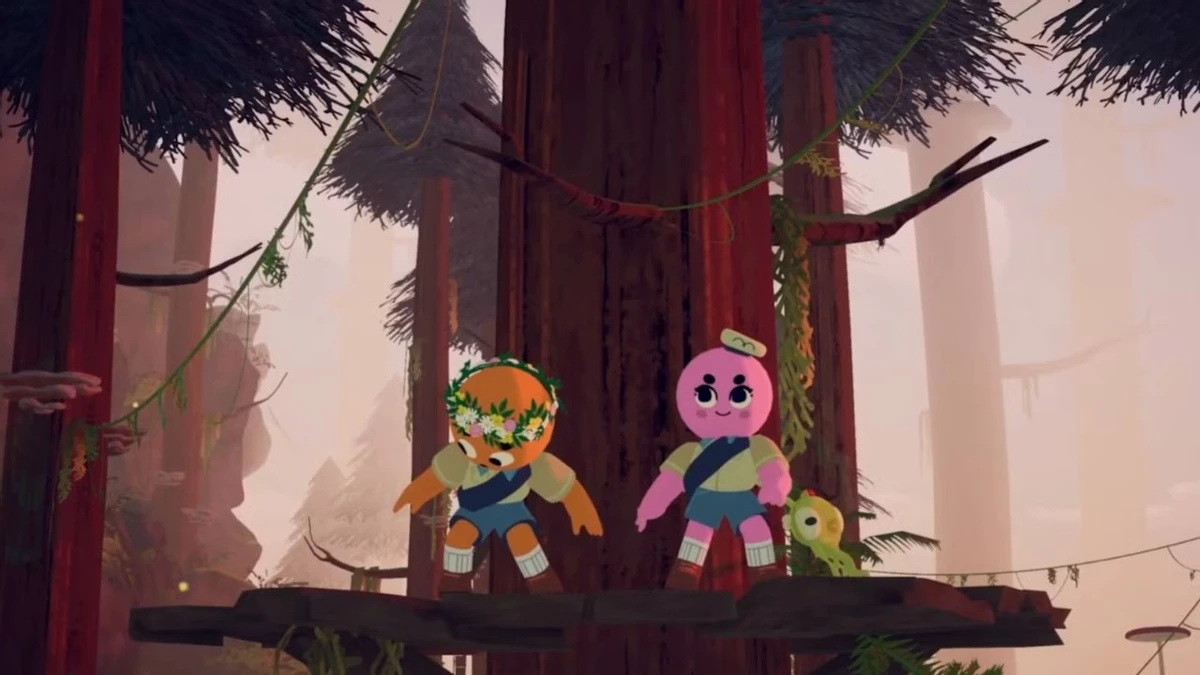
Creator of the Hit Game Peak Believes You Don't Need to Spend Years on Details - Creating an Interesting Core is Key
Nick Kaman, the creator of the hit Twitch game Peak, shared his perspective on the game development process in an interview with Game File. According to him, the swift and focused work on Peak proved the existence of alternative—and sometimes more successful—approaches to creating projects.
Initially, Peak was conceived as a game jam project with a strict time limit: the team allocated just four weeks for development, after which they planned to move on to other tasks. However, the game's unexpected success prompted the authors to continue its support and development.
Kaman emphasized that the experience of working on Peak clearly demonstrated the value of a short production cycle. The key takeaway he made: it's important to abandon secondary elements in favor of a clear implementation of the core idea.
Peak proved to me that there are other, and perhaps better, ways to make games. My recipe is not to spend three years. Not to grind away on things that don't actually matter. You need to understand what your game is about and focus on exactly that.
Kaman paid special attention to players' attitudes towards polish quality. According to his observations, the audience is willing to forgive certain rough edges if the gameplay itself is engaging and enjoyable. As an example, he cited small multiplayer projects with a comedic slant—such as Mage Arena. In such games, a slight carelessness can even contribute to the overall style and atmosphere without reducing user engagement.
Furthermore, the success of Peak confirmed a steady demand for small-scale games. Players appreciate compact, yet well-thought-out projects that don't require hundreds of hours to complete and offer a fresh experience.
At the same time, Kaman pointed out a concerning trend: despite audience interest, opportunities for creating small games are shrinking. Developers face serious difficulties at the stages of finding funding, working with publishers, and technical support. Mid-sized and small studios are increasingly finding themselves in a vulnerable position—it's harder for them to compete with industry giants.
For contrast, the article mentions Red Dead Redemption 2 as a textbook example of big-budget development. In that project, enormous resources were directed towards refining secondary details: from realistic animal behavior to the minutest nuances of animation. While such an approach creates an impressive immersion effect, it requires colossal investments of time and money—and is not always justified from the perspective of the gameplay experience.