

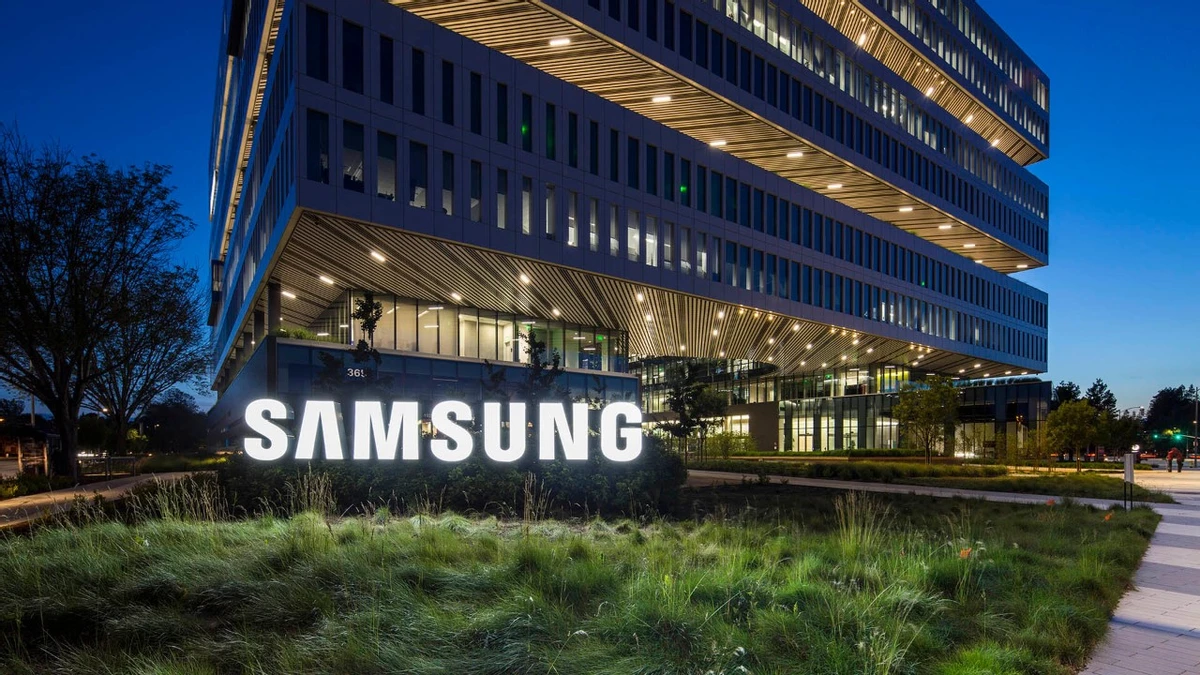
Strikes at Samsung Could Cause Another Surge in Prices for All Components
Samsung may tumble into 2026 carrying an odd mix: blowout forecasts on paper and a brewing labor standoff on the floor. The company's prelims point to a very strong Q1, yet discontent among staff is growing at the same time.
Expected revenue is roughly $88 billion (est.), which the company frames as ~700% y/y and nearly 2x q/q. A recent ~30% price increase for chips has also pushed market sentiment higher — and yes, that price move matters beyond headline numbers.
Workers want the bonus structure revisited. The union demands 15% of annual operating profit for payouts — a slice that could be in the neighborhood of $30 billion (approx.). Management has said no so far; if talks fail, a strike is scheduled for May 21–June 7.
You can see the tension already. On April 23 some 40,000 employees rallied in Pyeongtaek. The union reports that microchip output slipped noticeably afterward: roughly an 18% drop on memory lines and up to 58% in contract mfg (mfg = manufacturing).
Semiconductor fabs are finicky beasts. Stopping a line is easy; getting it back to spec is not. Even short pauses can stretch recovery into weeks, not days.
There’s a wider ripple risk for the memory market. With surging demand for AI chips, any hiccup at major producers could magnify shortages and push up prices for DRAM and HBM, cascading through the electronics supply chain. It’s one thing to read the forecasts, another to reckon with what happens when the factories don’t run as expected.