

Lawyers Identify Valve's Vulnerabilities in Lawsuit by New York Authorities Over Loot Boxes
Lawyers have gone through the court papers in which New York authorities accuse Valve of "organizing illegal gambling" — the charge targets loot boxes sold inside the company’s online titles. Early reads hint at a rough courtroom exchange: there are weak spots, though none are automatic showstoppers.
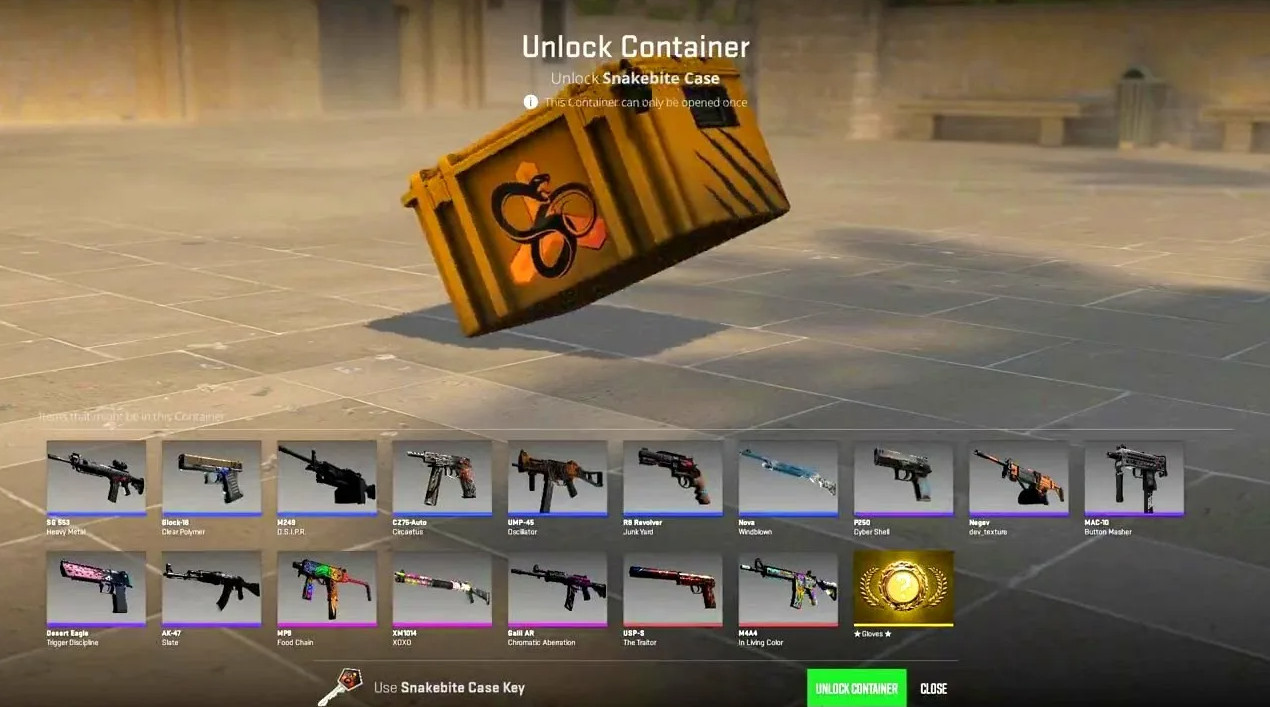
Some games (e.g., Counter-Strike 2, Dota 2) hand out an item from a randomized pool, so you always walk away with something. Think of it like buying a blind pack of collectibles — the mechanics overlap with familiar retail models rather than pure chance-based wagers.
The tricky bit for defendants is the Steam marketplace. Items obtained from loot boxes can be flipped for real cash-like value that moves with the market; that convertibility is what regulators point to as a gambling element. Many other titles keep loot-box drops stuck to an account (non-transferable), and that distinction matters.
Even so, the marketplace alone won’t decide the outcome. A heavier headache for Valve: independent websites that buy and sell Steam items for fiat — those sites operate out of Valve’s control. Valve supplied tools and interfaces that make third-party exchanges possible, and courts may ask how much responsibility follows from that (i.e., at what point does facilitation become liability?).
Most legal observers expect a hard fight but not an easy win for the state. Past cases in other places didn’t topple major developers; laws were written around casinos and lotteries, not digital ecosystems. Unless prosecutors pin a novel legal theory to specific statutes (or new legislation appears), New York’s path to victory looks narrow — though nothing is impossible once judges and juries get involved.