

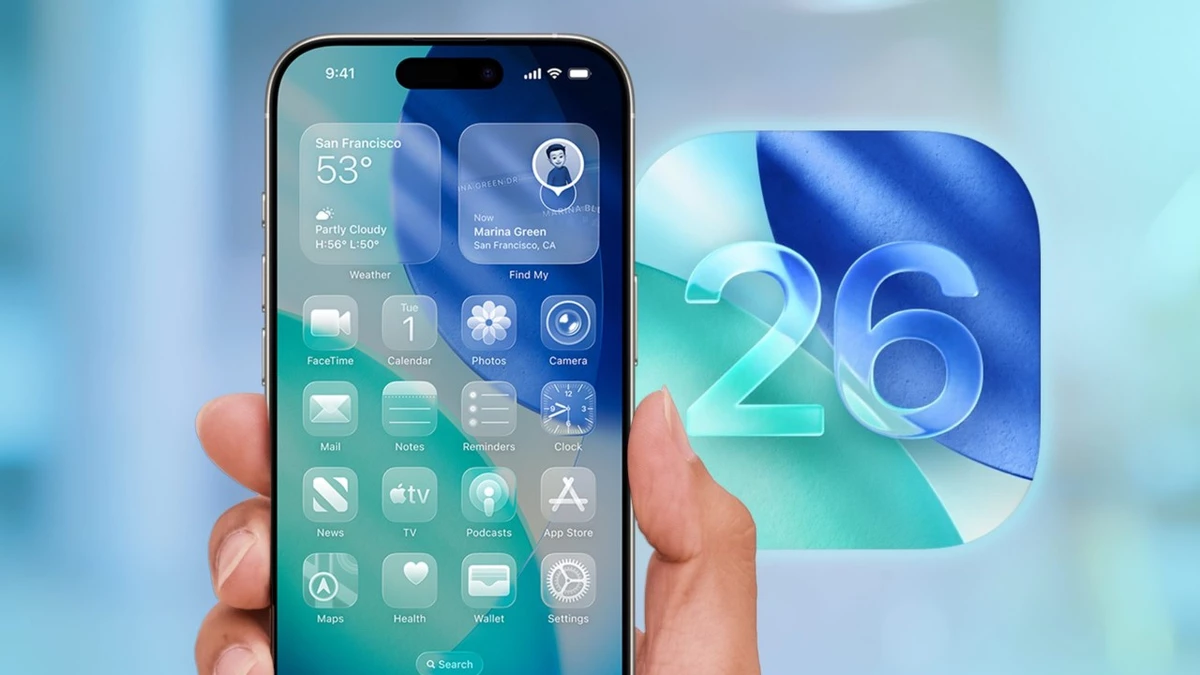
iPhone Users Reluctant to Upgrade to iOS 26
The analytics service StatCounter reported unprecedentedly slow adoption rates of the iOS 26 operating system among iPhone users. As of early January 2026, only 15–16% of active devices are running the new OS. This figure is four times lower than that of previous versions of the system in a similar post-release period.
A detailed analysis of users' distribution across iOS 26 versions shows the following picture: version 26.0 is installed on 1.1% of devices, 26.1 on 10.6%, and 26.2 on 4.6%. Meanwhile, the vast majority of iPhones—over 60%—continue to operate on the previous version, iOS 18, with most using versions 18.6 and 18.7.
Experts point to several reasons for users' lukewarm interest in upgrading. First and foremost, criticism is centered around the new Liquid Glass interface design presented in iOS 26. Many iPhone owners note that due to the abundance of translucent layers, blurred backgrounds, and dynamic depth effects, interface elements have become less readable, complicating information perception.
An important factor is that Apple continues to release security updates for iOS 18. This allows users to stay on the familiar OS version without risking encountering vulnerabilities in the security system. Previously, upgrading to a new version was often almost mandatory. However, there is now no urgent necessity for a swift transition.
Additionally, according to several specialists, iOS 26 did not offer sufficiently noticeable innovations to motivate the mass audience to upgrade. Despite improvements in the Apple Intelligence system, power mode optimization, and the launch of the new Apple Games app, these changes were not perceived by users as a compelling reason to switch to the new OS.
Another factor inhibiting the spread of iOS 26 has been complaints about increased battery consumption after the update. Some iPhone owners reported that the battery life of their devices noticeably decreased following the installation of the new system.
To understand the scope of the situation, it is worth recalling that in January 2025, about 63% of iPhones were updated to iOS 18, and in January 2024, iOS 17 was used on 54% of devices. Against these figures, the current level of iOS 26 implementation appears historically low.
Apple has not yet commented on StatCounter's data or published its own statistics on iOS 26 adoption. Analysts suggest that the situation might change with the release of subsequent system updates—such as iOS 26.4—or after the announcement of iOS 27. It is assumed that developers might refine controversial interface elements and add features that would be more appealing to users.