

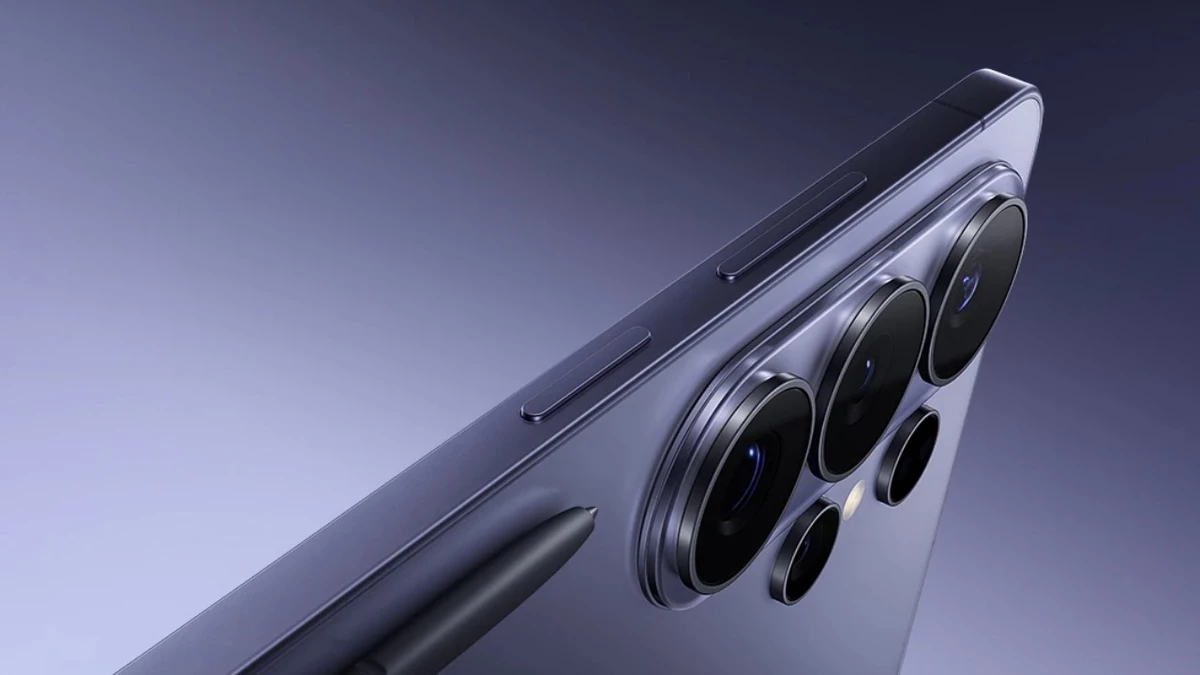
PhoneBuff organized one of the year's largest speed showdowns, stacking the new Samsung Galaxy S26 Ultra against several past Galaxy S Ultra flagships. The result? Not as dramatic as marketing copy would like: in ordinary tasks the gap often shrinks to single-digit ms. Three of the older models ran especially close to each other.
Still, the S26 Ultra held a lead. The new chipset — CPU and GPU improvements — made the difference when workloads got heavy (think on-device AI and other resource-hungry compute). RAM stayed unchanged: almost every Ultra in the test shipped with 12 GB RAM, so memory wasn’t the variable here.
For everyday users, the tiny deltas are easy to miss; you'll probably think twice before upgrading for speed alone. For buyers in the premium tier, though, even a small shave off app-launch times or shorter waits under sustained load is a selling point. In short: millisecond gains matter to some, matter less to most — context (your apps, workflows, and whether you push AI on-device) decides.