

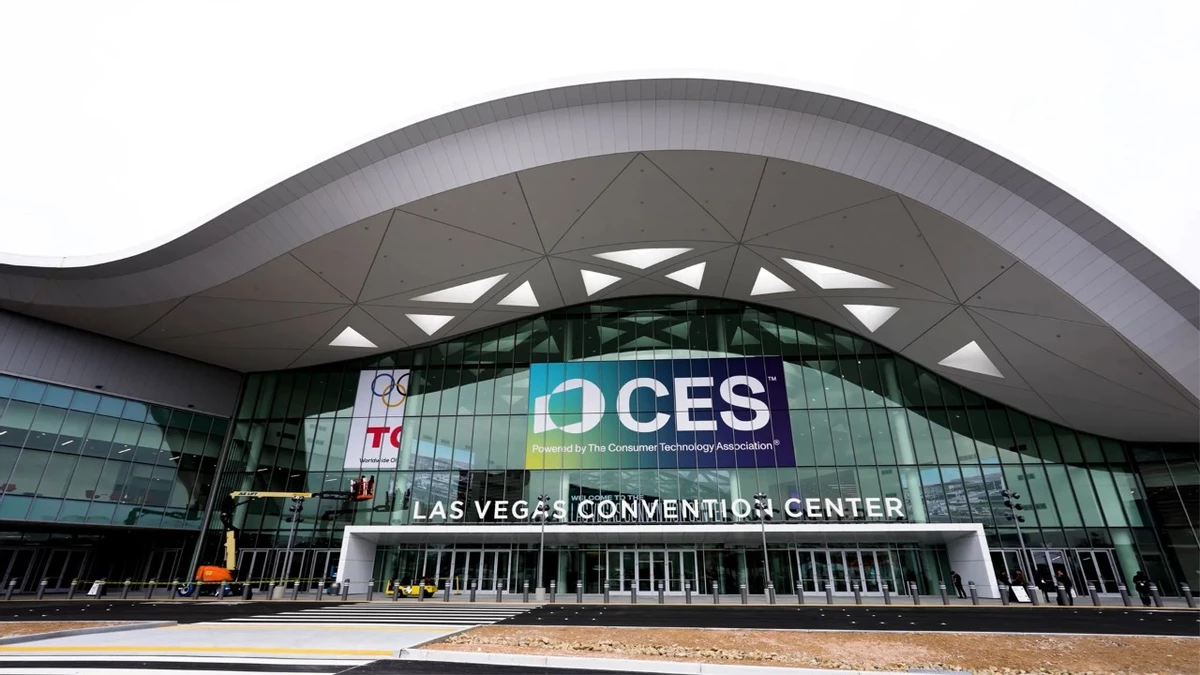
Not long ago, the annual CES exhibition was viewed as the main event for gamers—a place where the gaming industry's development path was set for the entire year. But in 2026, it seemed as if the organizers decided to host a private event for IT managers, forgetting to invite those for whom it was initially intended.
Instead of thrilling announcements that made hearts race, attendees were met with a stream of presentations on corporate artificial intelligence solutions. The three industry giants—NVIDIA, AMD, and Intel—seemed to have a tacit agreement to forgo new gaming releases, focusing instead on products for data centers and AI platforms.
The audience had high expectations. They hoped to see the updated GeForce RTX 50 Super series from NVIDIA, which could inspire gamers to empty their wallets in pursuit of graphic perfection. Or a new line of desktop processors from Intel, finally giving reason to upgrade old systems. But instead, they had to listen to lengthy discussions on server chips and cloud computing solutions.
Jensen Huang's presentation was almost entirely dedicated to data center technologies, as if the audience consisted solely of IT department heads from large corporations. AMD focused on presenting the Instinct MI455X chip, designed specifically for artificial intelligence tasks. Technically impressive, but utterly useless for the average user who just wants to play the latest game on maximum settings.
Experts explain this shift simply: money. Revenues from the consumer segment, including those hotly debated gaming graphics cards, now seem modest compared to multimillion-dollar corporate contracts. Why spend resources developing new desktop solutions when selling a single server cluster can meet quarterly profit goals that take your breath away?
The gaming community didn’t stay silent. Social media and forums exploded with outrage. Comments under event broadcasts frequently posed sarcastic questions: "I came for games, and they're showing me a server rack." Even rare glimpses of hope, like announcements of new graphic architectures from Intel, couldn't overturn the general feeling of disappointment.
The Razer Project Ava—an AI holographic companion—received particular skepticism. Instead of awe, users simply shrugged: "Sure, that's exactly what we need to finally beat that tough level."
In the end, CES 2026 became a bitter reminder of how far the paths of major tech corporations and their once-loyal audience have diverged. The exhibition, which for decades showcased gaming innovations, has turned into a platform for presentations that make the average user yawn. It seems the era of major gaming announcements at CES has come to an end—at least until corporate profits stop overshadowing the interests of regular gamers who still believe in the magic of new technologies.