

Ubisoft's Stock Plummets Again — Company Shares Drop Nearly 40 Percent
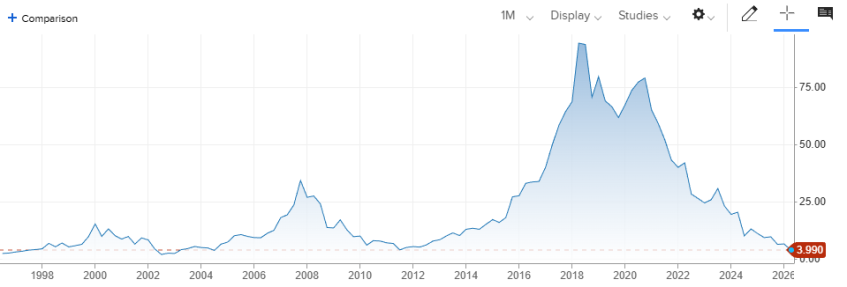
Ubisoft shares plunged by more than a third after the announcement of six project cancellations and a "major reboot" for the company. According to CNBC, the French publisher's stock fell by 39.8% in today's trading. At the time of this news publication, one share is trading for less than €4.
The sharp decline followed Ubisoft's statement about a large-scale restructuring. The company decided to completely overhaul its creative direction and split it into five separate divisions. Management claims this move should restore the publisher's creative leadership and help it emerge from a prolonged crisis marked by unsuccessful releases and declining market capitalization. These very problems previously pushed Ubisoft to sell a minority stake to Tencent.
However, the market reacted extremely negatively to the news. The current share price is the lowest in the last 14 years. The last time Ubisoft shares fell below €5 was at the end of 2011. After that, the company entered a period of growth: throughout the 2010s, the stock steadily appreciated, peaking at over €100.
As part of the "reboot," Ubisoft warned that it would end the current fiscal year with an operating loss of around €1 billion. This amount includes a €650 million write-down related to the restructuring. The company also canceled six projects, including the long-troubled remake of Prince of Persia: The Sands of Time, and delayed seven more games.
Simultaneously, the publisher is intensifying its cost-cutting program. Ubisoft intends to reduce fixed costs by an additional €200 million over the next two years. Management did not disclose the potential scale of layoffs, but Chief Financial Officer Frédérick Duguet noted that some employees would be transferred to other major projects, while others would likely have to leave the company.